Understanding Modern Architectural Trends
As we progress into 2026, modern architecture continues to evolve, shaped by diverse influences and a growing emphasis on sustainability and technology. The fusion of aesthetic appeal with functionality is at the forefront of design philosophies today. This article explores the current trends defining modern architectural landscapes, including technological integration, sustainable practices, and innovative design strategies. When exploring options, https://rokok88.net provides comprehensive insights into these vital aspects.
Key Influences on Architecture in 2026
The architectural landscape of 2026 is influenced by several key factors, including climate change, urbanization, and technological advancements. Architects today are tasked with creating structures that not only withstand environmental challenges but also contribute positively to their surroundings. The integration of biophilic design principles, which emphasize the connection between nature and modern living, is becoming increasingly prominent. This approach encourages the use of natural materials, ample green spaces, and designs that enhance airflow and natural light.
Emerging Sustainable Practices
Sustainability is no longer a trend but a necessity in architecture. Emerging practices focus on the life cycle of building materials, energy efficiency, and the reduction of carbon footprints. Architects are prioritizing materials that are either recycled or have a low environmental impact. Additionally, concepts like zero-energy buildings, which produce as much energy as they consume, are gaining traction in both residential and commercial sectors. The shift towards sustainability also includes a focus on water-efficient landscapes and waste management systems, ensuring that every aspect of a building adheres to eco-friendly standards.
Integrating Technology in Design
Technology is a pivotal component of modern architecture, influencing both the design process and building operations. The adoption of Building Information Modeling (BIM) allows architects to visualize and simulate their designs in a digital environment, enhancing collaboration and reducing errors. Tools like augmented reality (AR) and virtual reality (VR) are revolutionizing design visualization, enabling stakeholders to experience spaces before they are built. Furthermore, smart building technologies, which include automated lighting and climate control systems, are becoming standard in new constructions, promoting energy efficiency and user comfort.
Implementing Sustainable Solutions
Implementing sustainable solutions is crucial for the architecture of the future. As we face increasing environmental challenges, architects must adopt innovative strategies to minimize the ecological impact of their designs.
Materials That Make a Difference
The choice of materials plays a significant role in sustainable architecture. Recycled materials, such as reclaimed wood, recycled steel, and eco-friendly concrete blends, are being increasingly utilized in modern structures. These materials not only reduce waste but also minimize the need for new resources, lowering the overall carbon footprint. Additionally, the use of sustainably sourced timber and bamboo is on the rise, as these materials are renewable and provide excellent insulation properties.
Energy Efficiency in Modern Buildings
Energy efficiency is a cornerstone of sustainable architecture. Strategies for achieving energy efficiency include the use of high-performance insulation, energy-efficient windows, and smart energy management systems. Additionally, passive solar design, which takes advantage of natural sunlight for heating and cooling, is gaining popularity. As a result, many new buildings are designed with orientation, window placement, and shading strategies that enhance energy efficiency while providing comfortable living environments.
Case Studies of Sustainable Projects
Numerous architectural projects serve as benchmarks for sustainable design. For instance, the Bosco Verticale (Vertical Forest) in Milan is a remarkable example of integrating green spaces into urban architecture. This residential project features thousands of trees and plants on its terraces, improving air quality and providing much-needed green areas in a densely populated city. Another notable example is The Edge in Amsterdam, renowned for its energy-efficient design and smart technology integration, making it one of the greenest office buildings in the world.
Leveraging Technology in Architecture
As technology continues to advance, its integration into architectural practices becomes more profound. The architectural industry is leveraging technology to enhance design efficiency, project management, and building functionality.
Virtual Reality in Design Visualization
Virtual reality (VR) technology is transforming the way architects visualize their designs. By creating immersive environments, architects can allow clients and stakeholders to experience spaces before construction begins. This not only aids in the design approval process but also helps identify potential design flaws early in the development phase. VR technology fosters better communication and understanding between architects and clients, ensuring that the final product aligns with the client's vision.
The Role of AI in Structural Engineering
Artificial intelligence (AI) is becoming an integral part of structural engineering. AI algorithms can analyze vast amounts of data to optimize designs and predict structural performance. This technology enables architects to make informed decisions about material choices, load distributions, and sustainability features, ultimately leading to safer and more efficient buildings. Moreover, AI can assist in automating repetitive tasks, allowing architects to focus on creative problem-solving and innovative design.
Smart Buildings: Automation and Control
Smart buildings utilize advanced automation systems to enhance the user experience and promote energy efficiency. These buildings can adjust lighting, heating, and cooling based on occupancy patterns and environmental conditions. Integration with the Internet of Things (IoT) allows for real-time monitoring and management, enabling facility managers to optimize building performance and reduce operational costs. This technology aligns with the sustainability goals of modern architecture by minimizing energy waste and enhancing occupant comfort.
Enhancing Creativity and Collaboration
In today's architectural landscape, creativity and collaboration are essential for fostering innovation. The collaborative approach to design encourages diverse perspectives and ideas, leading to more comprehensive solutions.
Design Thinking in Architectural Processes
Design thinking is a user-centered approach that emphasizes empathy and experimentation in the design process. Architects are increasingly adopting this methodology to create solutions that not only meet functional requirements but also enhance user experience. By engaging with clients and end-users throughout the design process, architects can better understand their needs and preferences, resulting in more tailored and successful outcomes.
Co-working Spaces: Fostering Innovation
Co-working spaces are changing the way we think about work and collaboration. These shared environments encourage creativity and innovation by bringing together professionals from various fields. Architects designing co-working spaces focus on creating flexible layouts, communal areas, and inspiring atmospheres that promote interaction and collaboration. Such spaces are designed to adapt to the changing needs of users, reflecting the dynamic nature of modern work culture.
Workshops and Collaborative Design Sessions
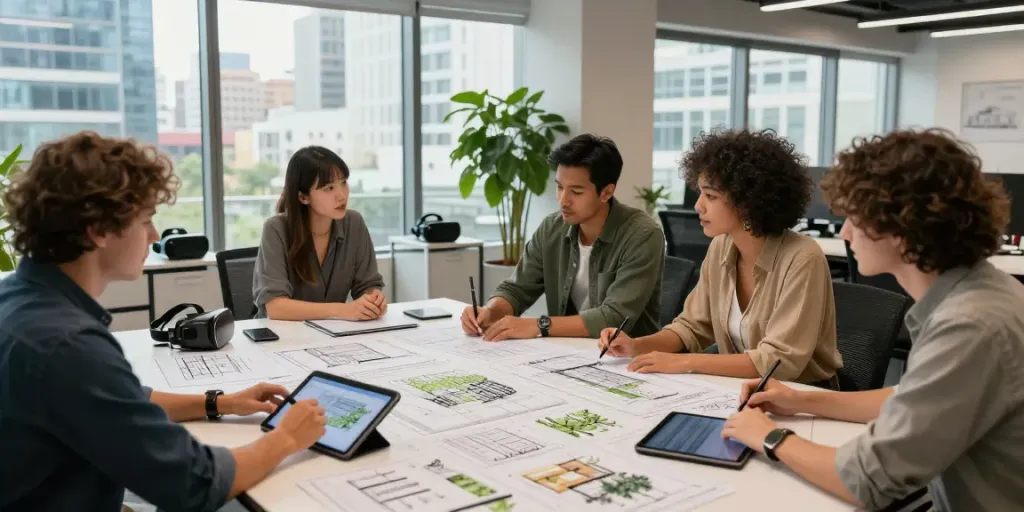
Engaging in workshops and collaborative design sessions can lead to innovative architectural solutions. These interactive experiences bring together architects, clients, and stakeholders to brainstorm ideas, explore concepts, and address design challenges. By fostering open communication and idea-sharing, these sessions encourage creativity and lead to more effective and inclusive design outcomes.
Future Predictions for Architecture
Looking ahead, several predictions about the future of architecture can be made based on current trends and developments. The industry is likely to continue evolving in response to environmental, technological, and social changes.
What to Expect in Urban Development
Urban development will increasingly focus on creating resilient and sustainable cities. This involves integrating green infrastructure, promoting public transportation, and enhancing walkability. Future urban designs will prioritize mixed-use developments that foster community engagement and reduce dependence on cars, ultimately promoting healthier living conditions for urban dwellers.
Potential Changes in Building Regulations
Building regulations are expected to evolve to address growing concerns about climate change and sustainability. Stricter codes may be implemented to ensure that new constructions meet higher energy efficiency standards and utilize sustainable materials. Architects will need to stay informed about these changes to adhere to new regulations and lead the way in responsible design.
Innovative Materials and Their Impact
The development of innovative materials will significantly impact architectural design. Biodegradable materials, carbon capture technologies, and adaptive materials that respond to environmental changes are becoming more prevalent. These advancements will lead to structures that are not only more efficient but also contribute positively to their environments. As architects continue to experiment with new materials, we can expect exciting developments in aesthetics and functionality.
What are the latest trends in architecture?
The latest trends in architecture reflect a growing emphasis on sustainability, technology integration, and user-centered design. Innovations such as green roofs, smart home automation, and modular construction are becoming commonplace.
How does technology affect modern designs?
Technology affects modern designs by enhancing efficiency, improving collaboration, and enabling innovative solutions. Tools like AI and VR transform the design process and facilitate better communication between architects and clients.
What role does sustainability play in architecture?
Sustainability plays a crucial role in architecture by driving the adoption of eco-friendly practices, materials, and designs. Architects are increasingly focused on creating buildings that minimize environmental impacts while providing functional and aesthetically pleasing spaces.
How can collaboration enhance architectural innovation?
Collaboration enhances architectural innovation by bringing together diverse perspectives and knowledge. Engaging stakeholders in the design process promotes creativity and leads to more effective and inclusive solutions.
What are the future predictions for urban architecture?
The future of urban architecture will likely focus on resilience, sustainability, and community-centric designs. Innovations in construction methods and materials will shape the development of cities that prioritize environmental stewardship and enhance quality of life.